

When it comes to pearls, the allure and exquisite charm of pink pearls are undeniable. However, with their increasing popularity, the market has seen an influx of counterfeit products. In this article, we will guide you through the key steps to distinguish real pink pearls from fakes.
Understanding Pink Pearls
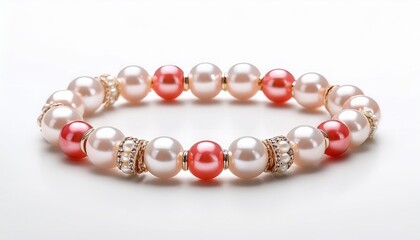
Pink pearls are cherished for their unique coloration and radiant luster. They are usually cultured in freshwater or saltwater oysters. The organic process behind their formation contributes to their beautiful shades of pink, which can range from soft pastels to deep mauves.
Key Indicators of Real Pink Pearls
Nacre Quality
Nacre, also known as mother-of-pearl, is the organic material that forms the pearl. Real pink pearls will have a thick and even layer of nacre that results in a luxurious, reflective glow. Fake pearls typically have thin, painted layers that lack the depth and luminescence of real nacre.
Surface Texture
A significant indicator of real pink pearls is their surface texture. Genuine pearls often have minor imperfections like small pits or ridges that reflect their natural formation process. In contrast, counterfeit pearls are usually flawless, which is a sign of artificial manufacturing.
Shape and Size
Real pink pearls come in various shapes and sizes, including round, oval, and baroque forms. Perfectly round pearls are rare and often suggest a higher value. Fake pearls are often uniformly sized and shaped, indicating they were mechanically produced.
Weight
In general, real pearls are heavier than their fake counterparts due to the density of nacre layers. Holding the pearls can provide a tangible sense of their authenticity. Fake pearls are typically lighter and may feel too smooth due to their synthetic coatings.
Temperature Test
Real pearls tend to feel cool to the touch initially but warm up quickly when worn. Fake pearls often fail this temperature test and may feel consistently warm or room temperature.
Advanced Techniques for Determination
Magnification Analysis
Using a magnifying glass can reveal the intricate detail of the pearl’s surface. Real pink pearls will show natural textures and tiny irregularities under magnification, whereas fake pearls will exhibit a smooth, glass-like finish.
X-Ray Examination
If you have access to advanced equipment, an X-ray examination is a definitive test. Real pearls display distinct internal layers in an X-ray image, unlike fake pearls, which have a solid core.
Professional Appraisal
For a conclusive determination, it’s best to consult a professional gemologist. They use specialized tools and have the expertise to confirm the authenticity of your pink pearls.
Educational and Buying Resources
Educating yourself about pink pearls can immensely help in distinguishing real ones from fakes. Several resources, including books, websites, and expert consultations, offer detailed insights into pearl identification.
Reputable Dealers
Always buy pink pearls from reputable dealers who provide certificates of authenticity. Be wary of deals that seem too good to be true, as these are often indicators of counterfeit products.
Return and Warranty Policies
Trustworthy sellers will offer return and warranty policies. This ensures that you have recourse in case the pearls turn out to be fake.
Conclusion
Distinguishing real pink pearls from fakes involves keen observation and, at times, professional appraisal. By educating yourself and following the guidelines outlined in this article, you can confidently invest in genuine pink pearls that will bring lasting beauty and value.